Product Overview

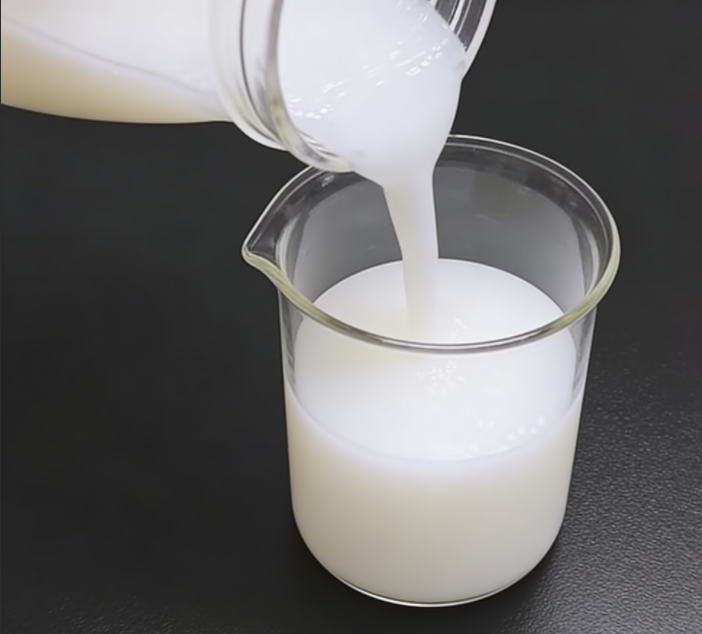
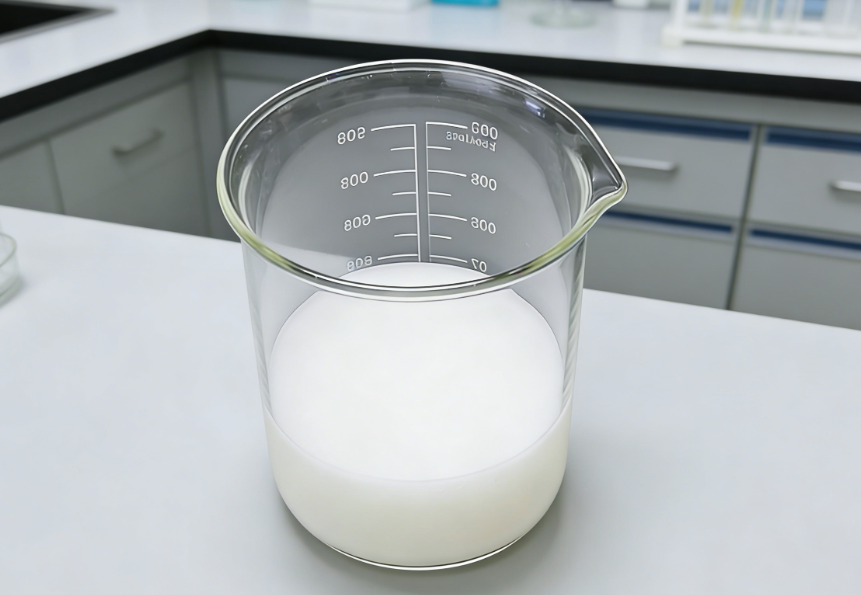
Our Fluoropolymer Dispersion Liauid are designed for high-performance coating and lubricant applications. These water-based systems allow you to apply the exceptional properties of fluoroplastics—including chemical resistance, low coefficient of friction, non-stick characteristics, and thermal stability—to various substrates through conventional coating techniques .

FEP Dispersion Liauid

Technical Specifications

  • Specific Gravity(23°C):  1.34-1.40
  • Solid Content(Mass%):  50(±2)
  • PH:  7.0-9.0
  • MFR(g/10min):  2.0-5.0,5.1-8.0
  • Character:  White or light yellow liquid

Key Features:

  • Excellent non-stick properties—often superior to PFA for release applications 
  • Broad chemical resistance similar to PTFE and PFA 
  • High shear stability for formulated coating systems 
  • Low settling tendency for consistent application 
  • Weldable surface capability 
  • Improved substrate adhesion compared to PTFE 
  • FDA compliant for repeat-use food contact (21CFR 177.1550) 
  • European compliance: EC 1935/2004, EU 10/2011, German BfR Recommendation LI

Applications: 

  • Impregnationof glass fiber
  • polyimidefilm coating
  • metallic coating

PFA Dispersion Liauid

Technical Specifications

  • Solid Content(Mass%):  55(±5)
  • PH:  7.0-9.0
  • MFR(g/10min):  3.0-5.0,5.1-10.0
  • Character:  White or light yellow liquid

Key Features:

  • Melt-processible fluoropolymer with all the advantages of perfluorinated resins 
  • Inert to virtually all industrial chemicals and solvents 
  • Excellent thermal stability at high temperatures 
  • Superior dielectric properties 
  • Excellent weather resistance and UV stability 
  • Outstanding anti-stick properties 
  • Can be fused and bonded to PTFE substrates 

Applications: 

  • Polyimide film coating
  • metallic coating
  • non-stick coating

PTFE Dispersion Liauid

Technical Specifications

  • S.S.G(g/cm³):  2.157-2.199,2.20-2.22,2.175-2.199,2.16-2.18
  • Solid Content(Mass%):  60(±2)
  • PH:  9.0-10.0
  • Average Particle Size(μm):  0.15-0.35,0.15-0.3,0.2-0.4,
  • Character:  White or light yellow liquid

Key Features:

  • Excellent chemical resistance: Withstands strong acids, alkalis, and oxidizing agents 

  • Low friction coefficient: Provides superior non-stick and release properties 

  • Outstanding thermal stability: Maintains performance across extremely wide temperature range 

  • Exceptional dielectric properties: Unaffected by temperature or frequency variations 

  • Non-wetting and non-burning characteristics 


Applications: 

  • Impregnation of packings
  • Impregnation of glass fiberand non-woven fabric
  • Anti-dripping agent
  • Metallic coating (non-stick coating)&(*Gloss improvement)&(*Crack resistance improvement)

APPLICATIONS

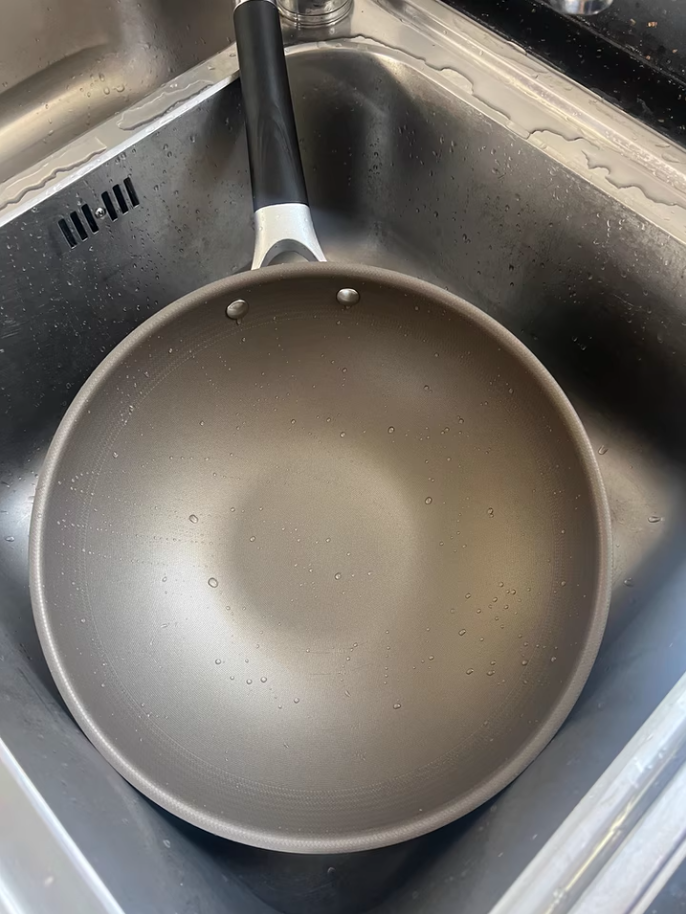
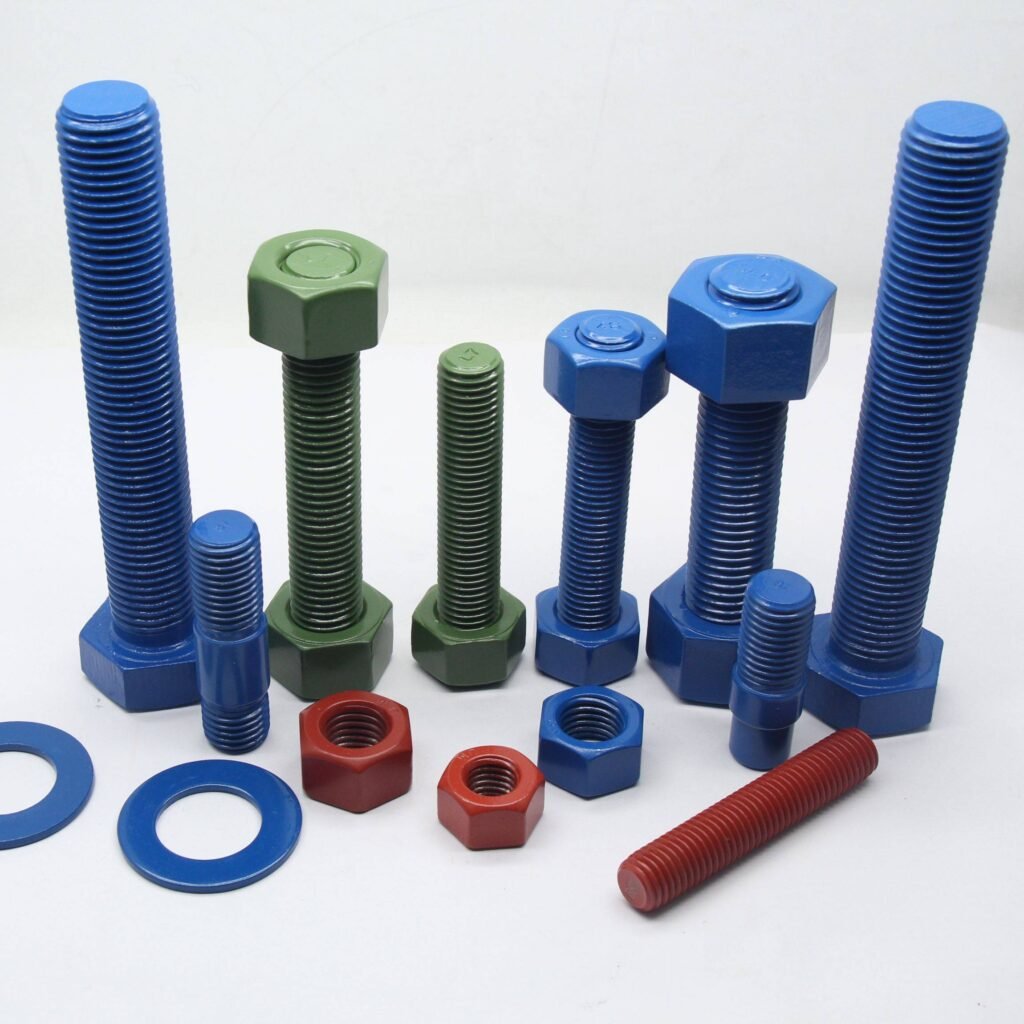
Non-stick coating

Non-stick coating

Anticorrosive coating

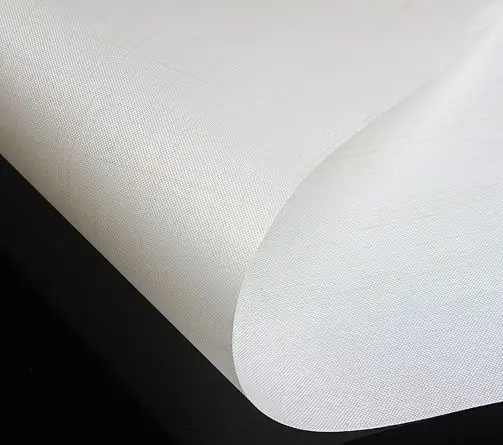
Imprenation of fiberglass-cloth

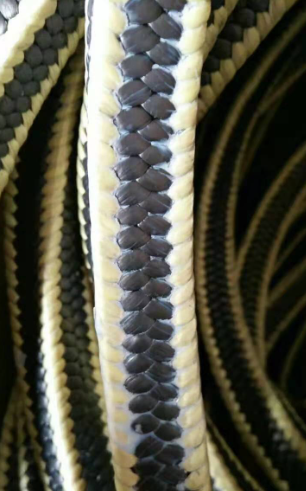
Impregnation of packings

Impregnation of fiberglass

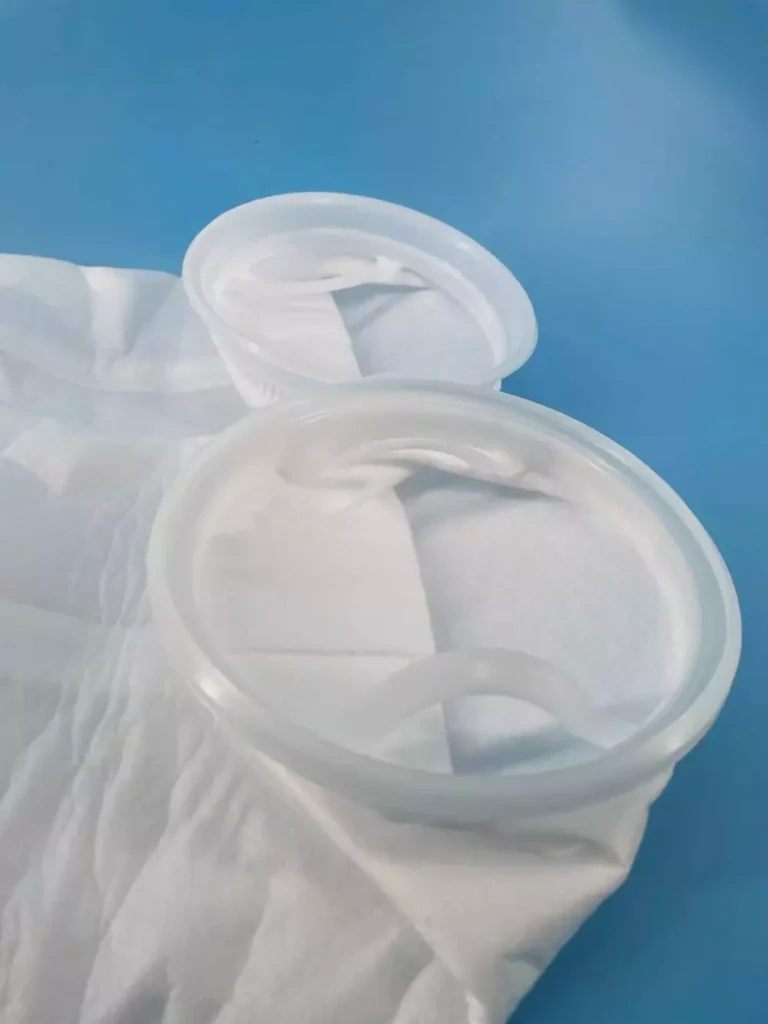
Filter coating

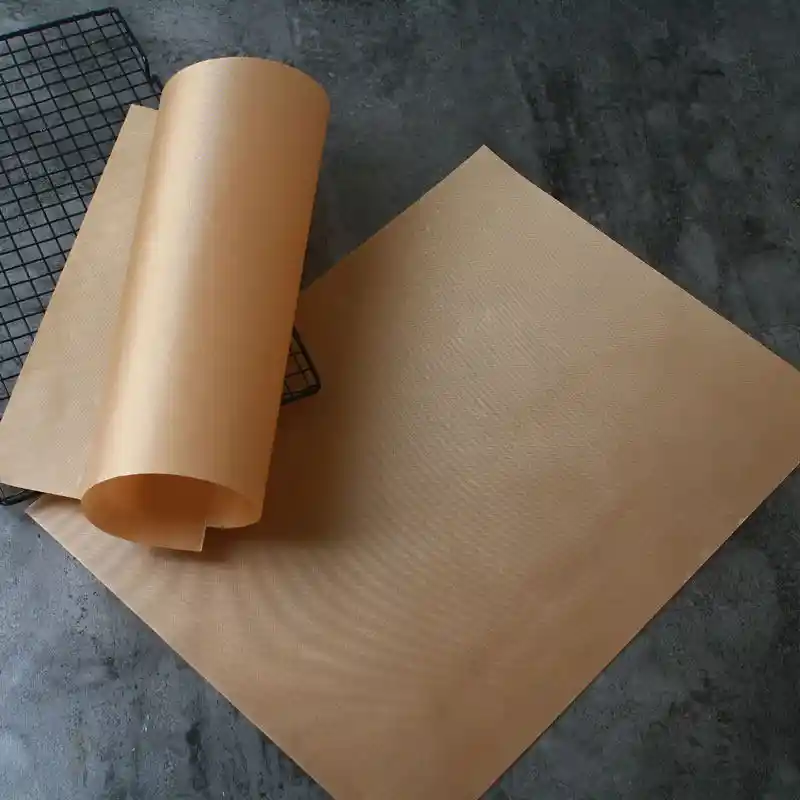
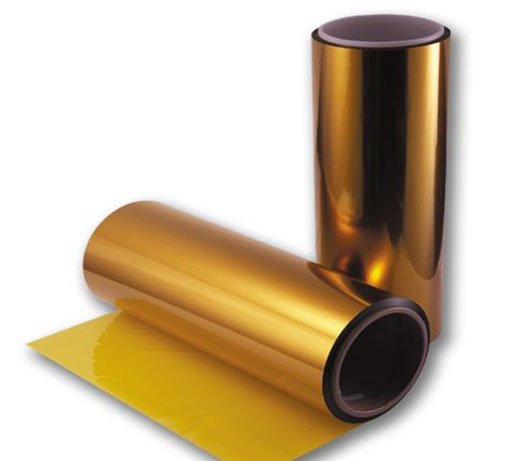
Polyimide film coating

Quality and Qualification

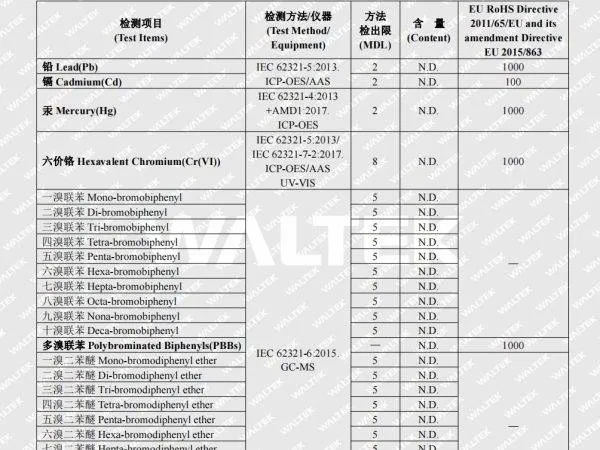
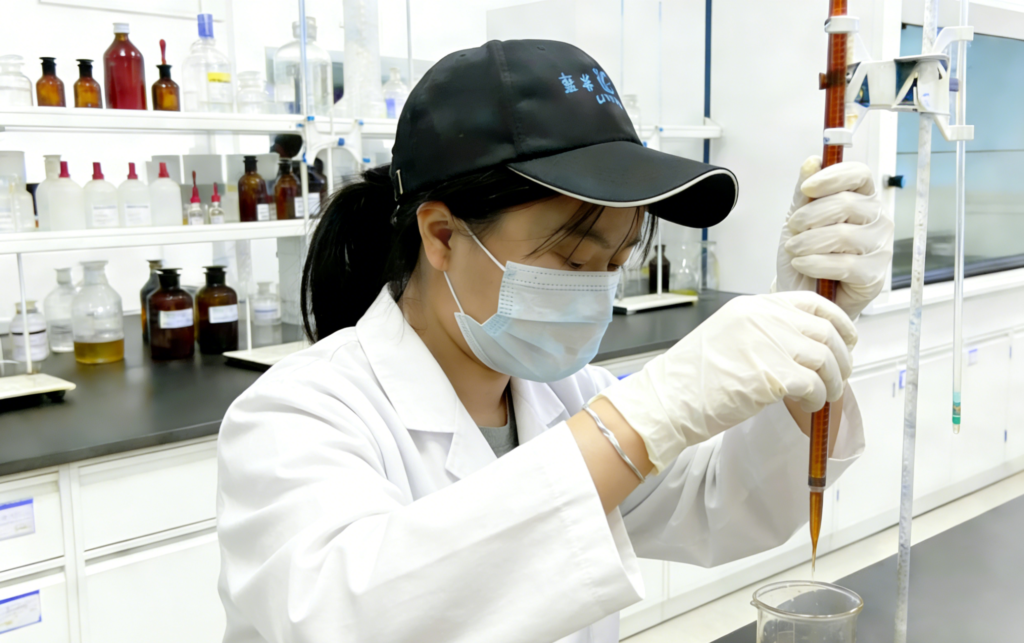
Choosing the right Dispersion goes beyond comparing technical specs. What truly impacts your production is having a partner who ensures smooth qualification and reliable supply. We provide precisely that—consistent dispersion quality, full traceability, and hands-on support from sample testing through to volume production.


  SDS Compliance Regulation (EU) 2024/2865

  We provide SDS compliance with locally regulations, with UFI NO.

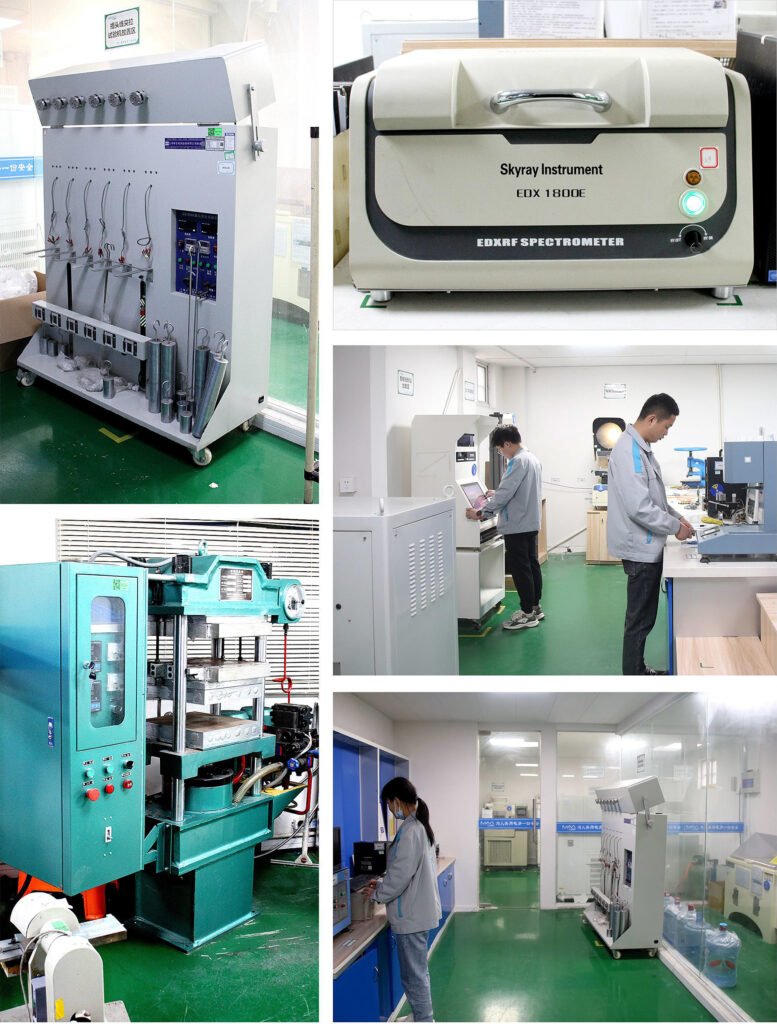
Ensuring Material Consistency Through Rigorous Testing

Our quality assurance process for Dispersion is designed to mirror the real-world evaluation criteria used by R&D and production teams. We go beyond standard batch checks to focus on the parameters that directly impact your formulation success and supply chain stability.

  • Multi-Stage Verification

  • Lot-to-Lot Consistency

  • Comprehensive Documentation

Minimize Costly Rework in Your Dispersion Projects

The biggest hidden cost in supplier switching is reformulation. Our approach eliminates that uncertainty by matching material characteristics to your existing process parameters early on.

  • Upfront Compatibility Check

  • Clear Processing Guidelines

  • Seamless Scale-Up Support

Packaging and Storage

 Packing

  Differents Packing of PTFE Dispersion:

    • Dispersion Sample 1kg-2kg
    • 25kg plastic Dispersion
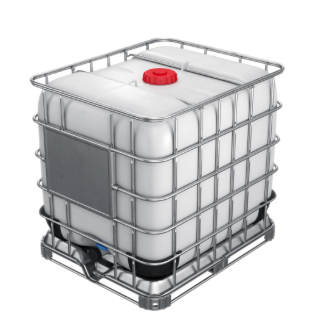
    • IBC Drum 1200kg or 1400kg

Storage

PH Control & Stability:

    1. High temperatures can reduce ammonium hydroxide, causing pH to drop.

    2. Low pH may promote bacterial growth, leading to odor or scum.

    3. For opened containers, monitor pH regularly.

  Physical Handling & Storage:

    1. Avoid high-speed mixing or pumping to prevent particle shear and coagulation.

    2. Use gravity transfer from storage to processing point.

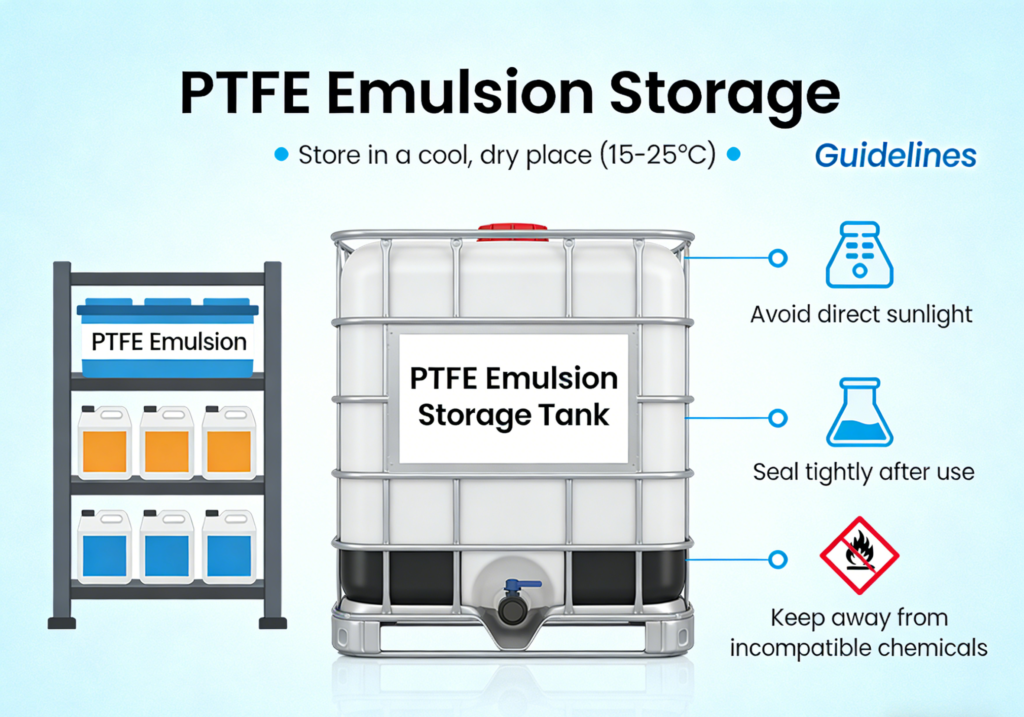
    3. Store between 7–24°C; do not freeze—freezing causes irreversible settling.

    4. Avoid temperatures above 40°C to prevent particle sedimentation.

    5. Gently roll or mix containers monthly and before each use.

    6. Keep containers sealed and clean to prevent contamination and surface drying.

    7. Maintain clean handling areas; even minor impurities can become visible after high-temperature processing.

Contact Us

Whether you’re interested in our products, need a quote, or have any other requirements,

we look forward to hearing from you. And you will get a perfact solution.

No.1712, Building B, 190 Donghuan Road, Jiaojiang, Taizhou, Zhejiang,China
+86 15057609941

info@huafluoro.com

Enter your name
Enter your eamil
Enter your phone number
Where are you located, and what products do you primarily sell, Let us get to know you better and answer more questions for you